





About the Artist
Catrin Webster is a painter from Wales. Webster studied painting at Slade, then returned to Cardiff to teach at Cardiff Met. Afterwards, she founded her own studio in West Wales, using it as a launch point for a series of large paintings exploring landscapes through movement. Through this working series, Webster travelled internationally, thereby completing a number of international and national solo exhibitions, including in Rome, Oman, and Iceland and around the U.K. Webster also earned a PhD from University of Wales, Aberystwyth.
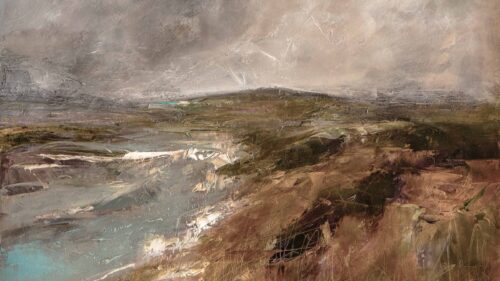
Webster focuses on the landscape as a it stands in the 21st century. A gestural, impressionistic brushstroke forms the basis of Webster’s style – the sky is swept in with stark whites and swirls of blue, unblended and unapologetic in their contrast – the land, yellow, green, orange and white loosely but confidently drawing boundaries between foci. Some of Webster’s works in Wales are directly inspired by light. Working out of a Ford van in the Welsh wilderness, Webster paints huge canvasses in situ. On these canvases, drips of orange and red paint represent a monumental sunset, Webster choosing to take the abstract route with the scene rather than try to reproduce it for the viewer. This specific focus on the effect of light is constant throughout Webster’s work, and it ensures that Webster’s canvases are always seen as the landscapes they are meant to be, never crossing over the border into sheer abstraction, for the sake of the purity of the works’ inspiration.
Additional to her solo exhibitions, Webster has participated in group exhibitions curated around the U.K. and in the Qatar International Cultural Festival, Doha. She has been awarded a number of fellowships and grants including A Creative Wales Award and Abbey Fellowship at the British School in Rome. Examples of Webster’s work can be seen in both private and public collections, including the Arts Council of Great Britain Collection, Hayward Gallery, London.
“For the Twr Y Felin commission to be part of the environment I needed to immerse myself in woodland and coastal spaces fundamental to my experience of Pembrokeshire which has always been a part of my life. Subsumed into these spaces I saw and felt the colour, the light, the sounds and smells. This embodied and phenomenological approach to the experience of place is central to my painting. Gesture and presence, begins as an intense lived experience of a place and is carried forward into the paintings. I do not look at ‘Landscape’, but am part of the environment. This intense physical experience is set in tension with the geometry of the rectangular structure of the picture’s frame; the implicit grid of the canvas, from the external edge to the internal weave of the canvas; a tension between body and surface; between physicality and illusionistic potentials of image.
In the studio, where I made the larger canvasses, I looked to a history of Renaissance linear perspective and to examples of where this approach is employed to construct the illusion of three dimensionality in nature. Paolo Uccello’s paintings, such as the Battle of San Romano 1423, (National Gallery, London) and The Hunt in the Forrest, 1470, (Ashmolean Museum, Oxford) were a particular inspiration.
Within the contemporary, digital image making technologies offer particular types of images, in which flatness of surface and the use of light are ubiquitous. I have, for many years, studied mobile phone images and the digital moving images of television. These technologies also feed into my painting, where colour, light and surface are deeply considered.”
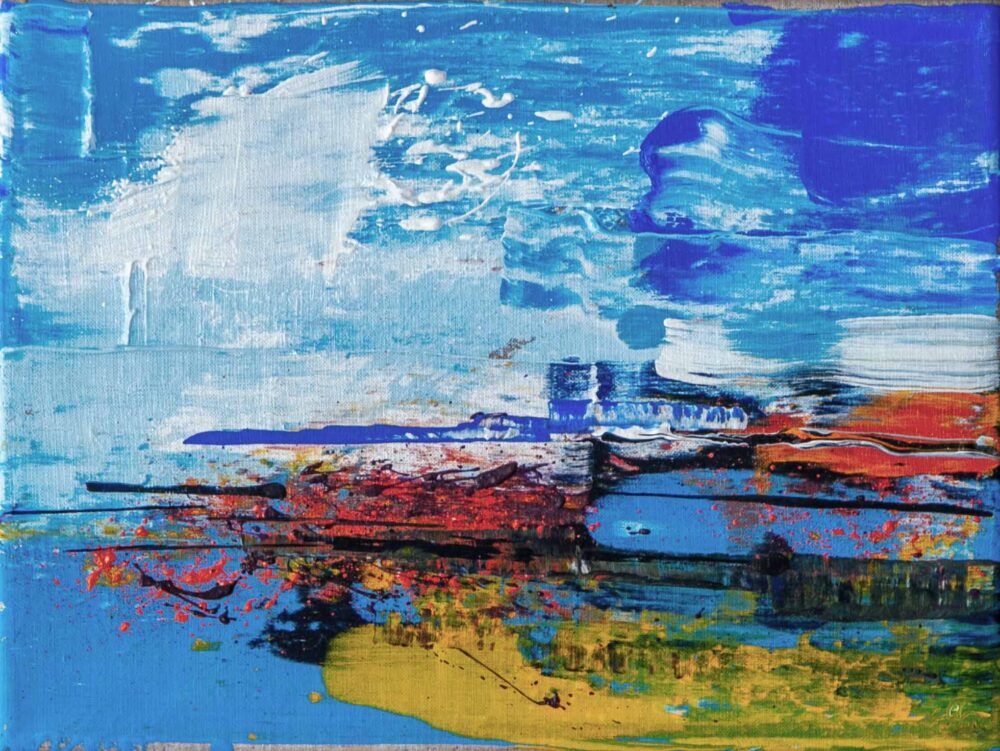
Untitled 1
Catrin Webster

Untitled 2
Catrin Webster

Untitled 3
Catrin Webster
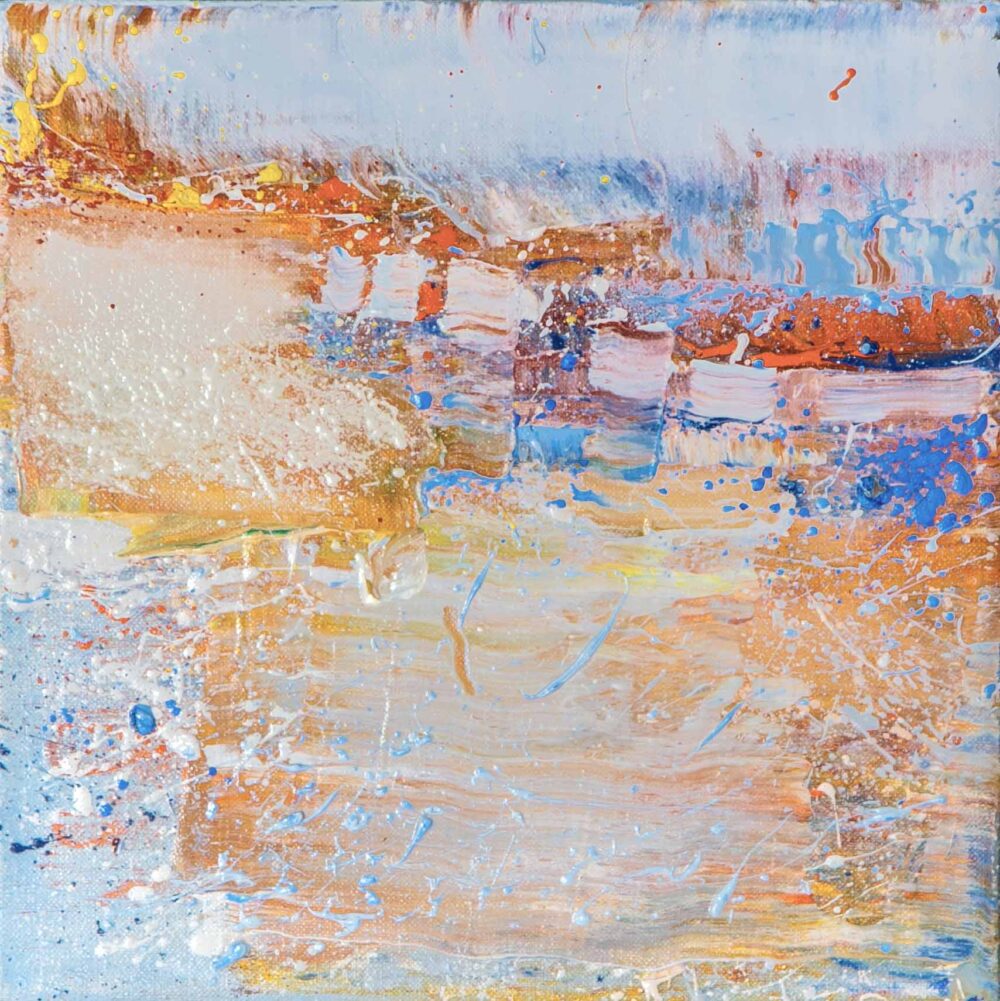
Untitled 4
Catrin Webster
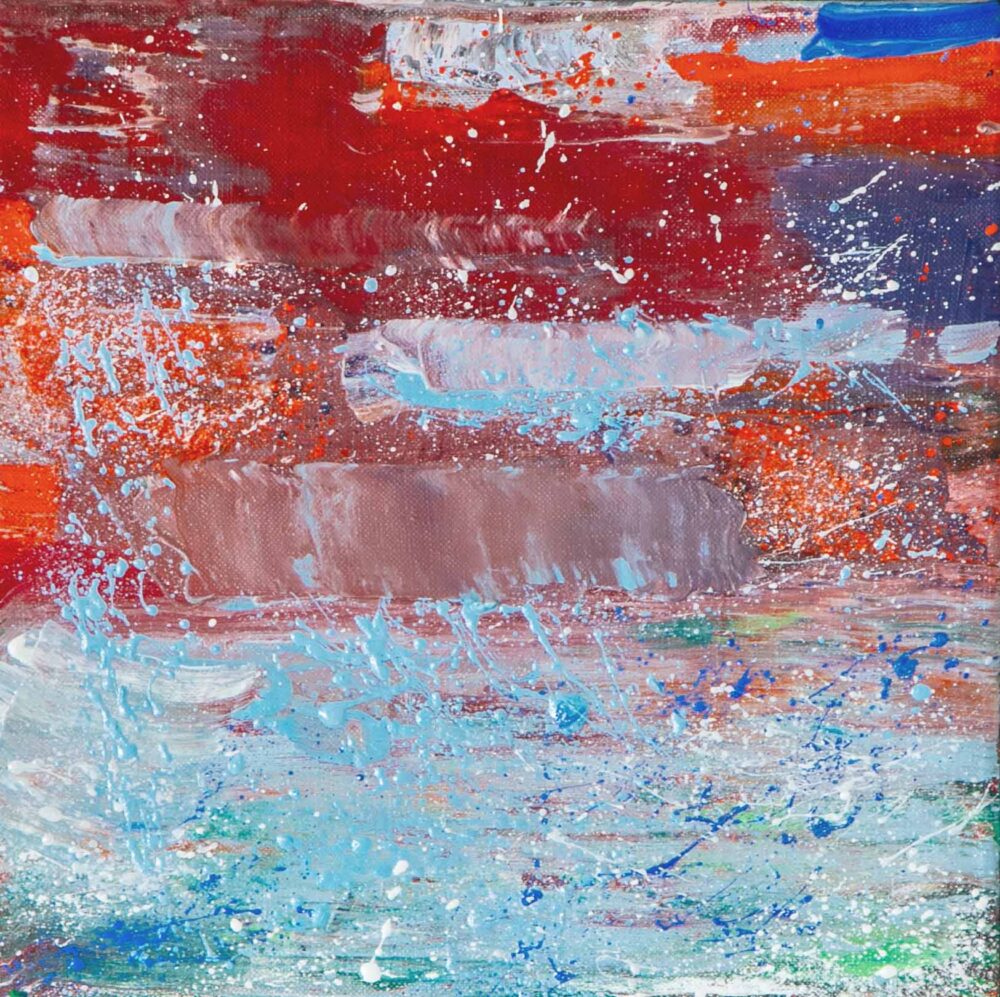
Untitled 5
Catrin Webster
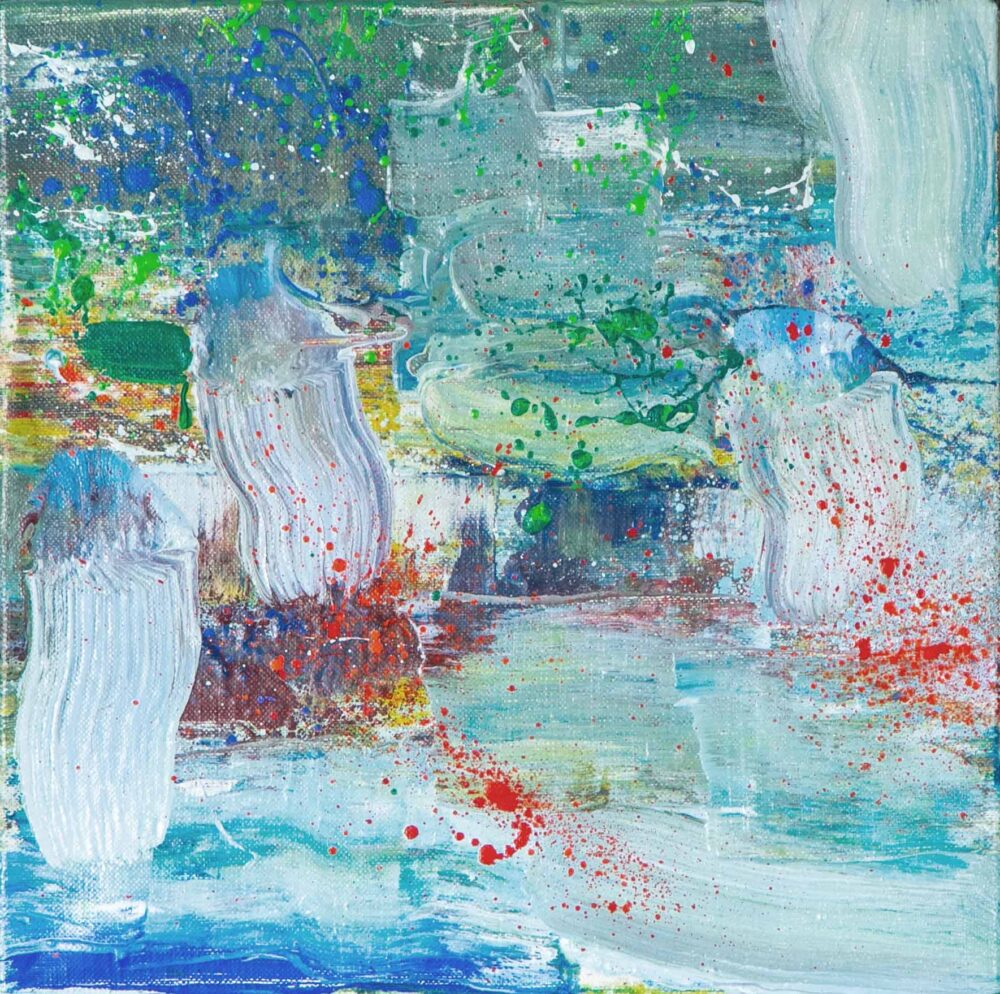
Untitled 6
Catrin Webster

Untitled 7
Catrin Webster
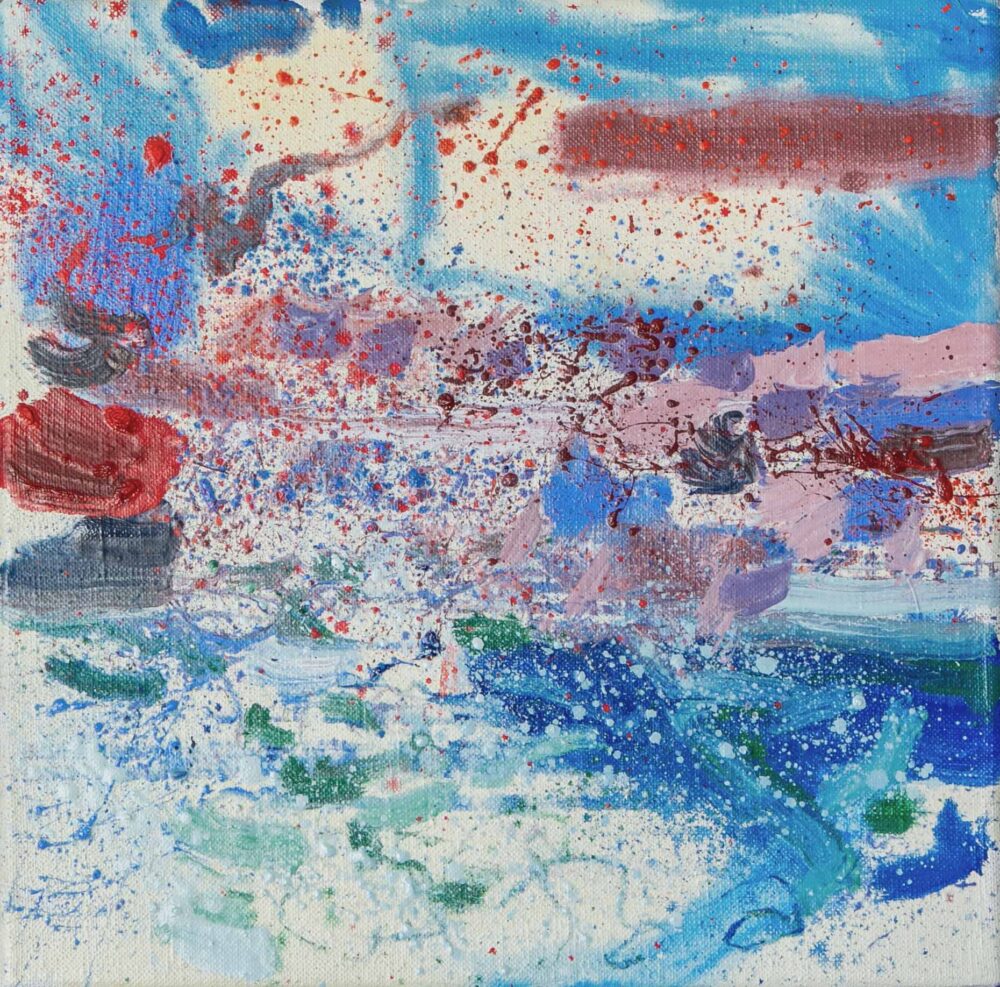
Untitled 8
Catrin Webster
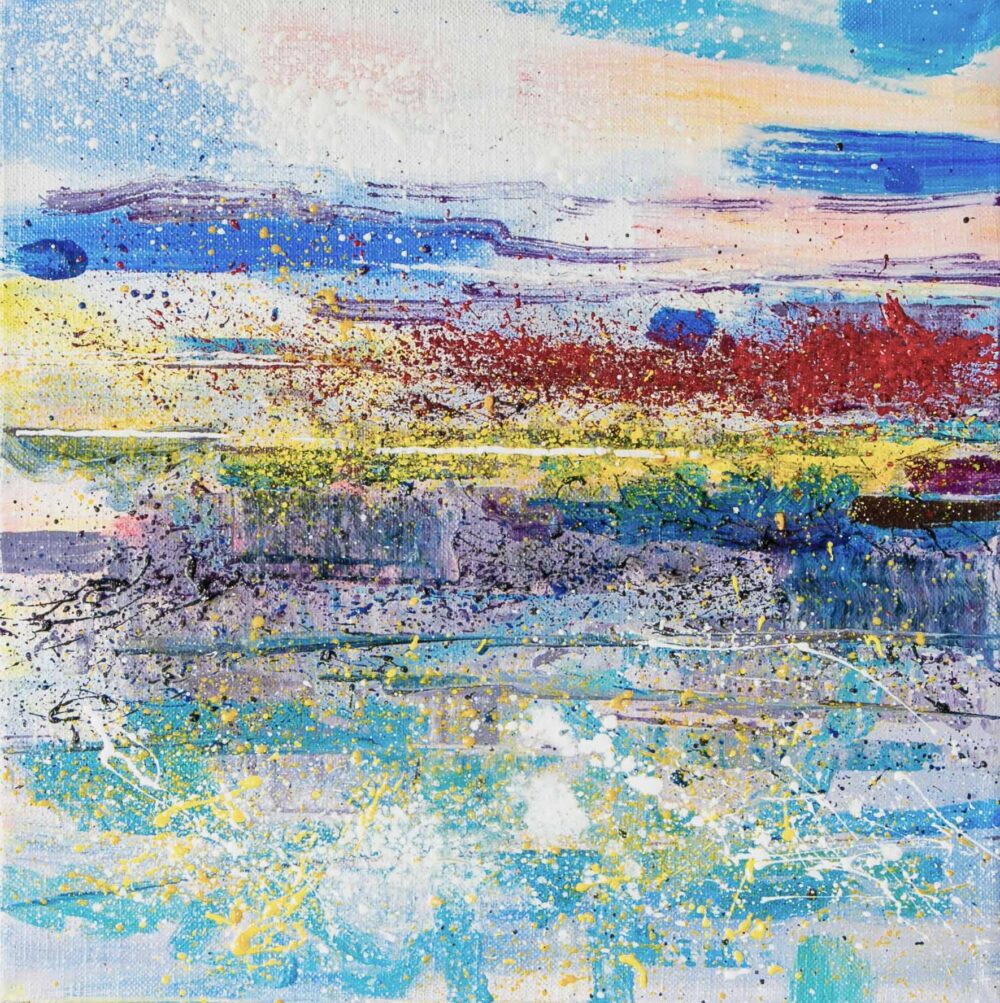
Untitled 9
Catrin Webster
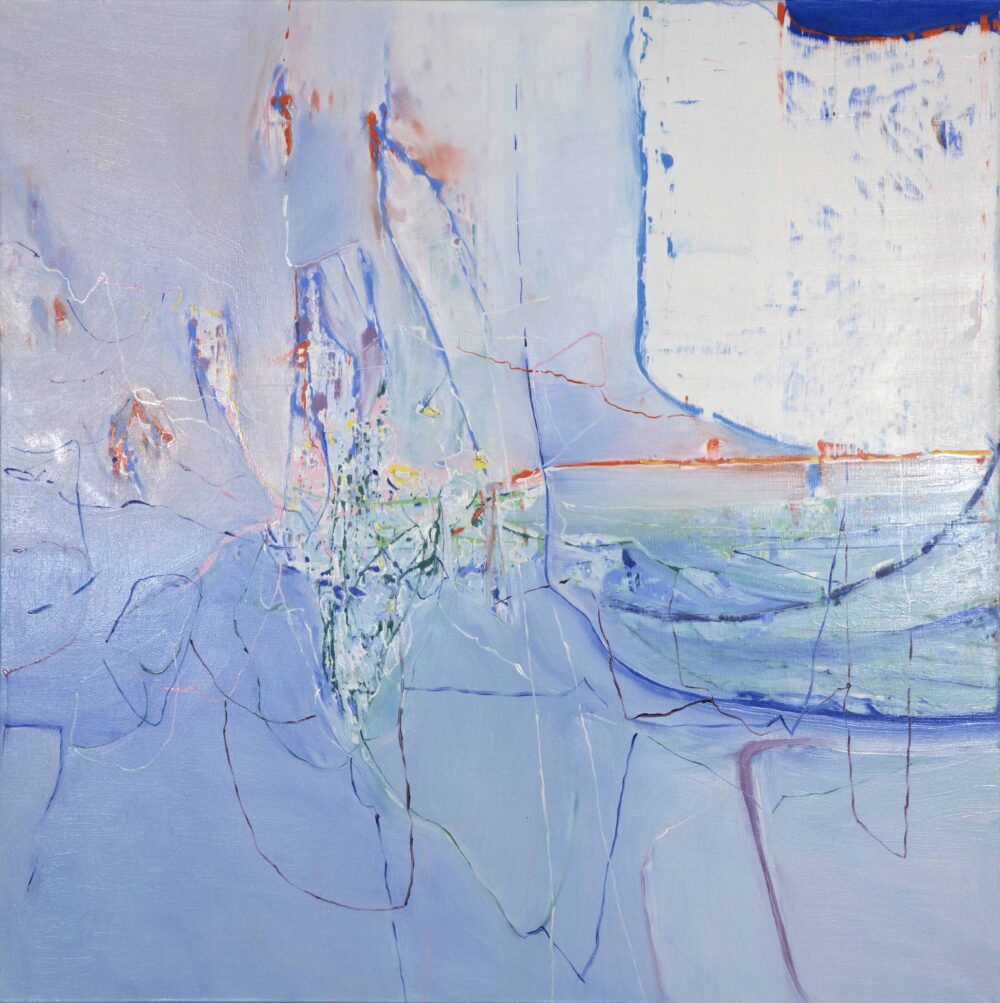
Dawn Light – Water inspired by Woodland – Pembrokeshire
Catrin Webster
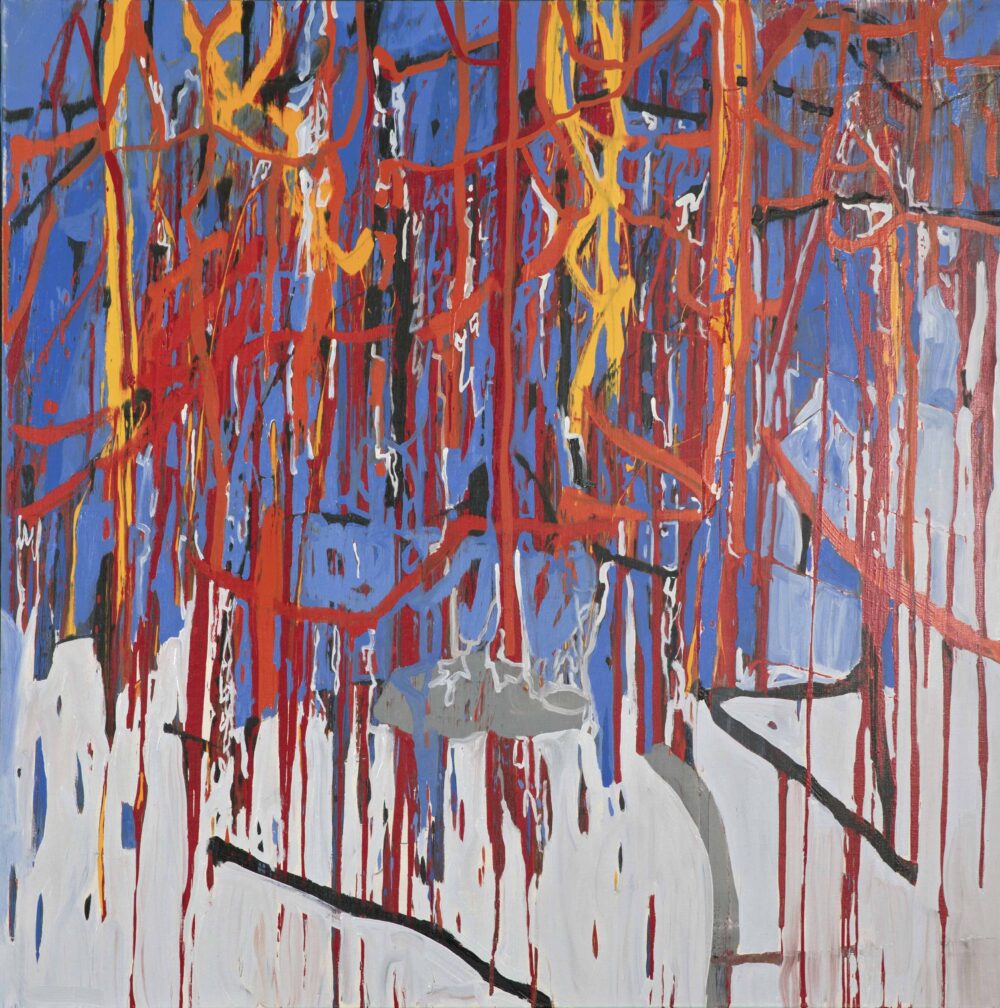
Winter Light, 2, Dusk Inspired by Woodland – Pembrokeshire
Catrin Webster
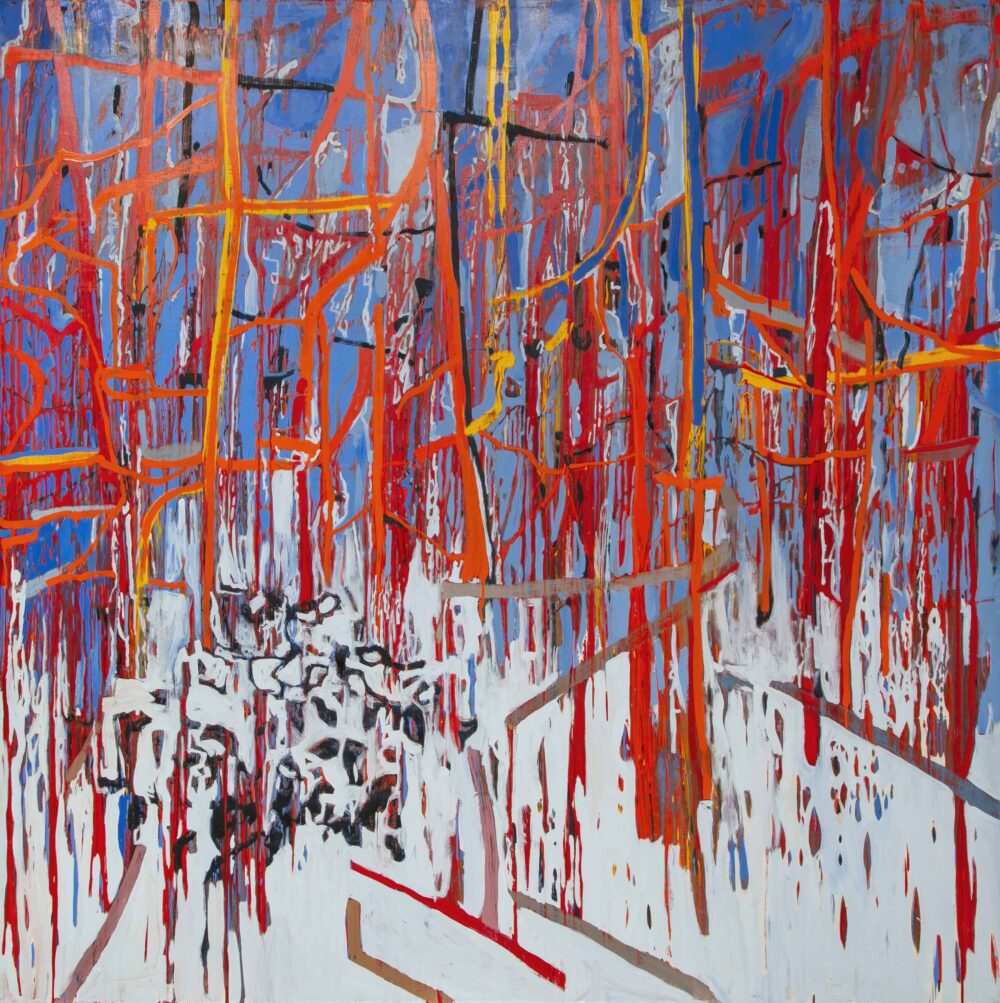
Winter Light, Dusk Inspired by Woodland – Pembrokeshire
Catrin Webster
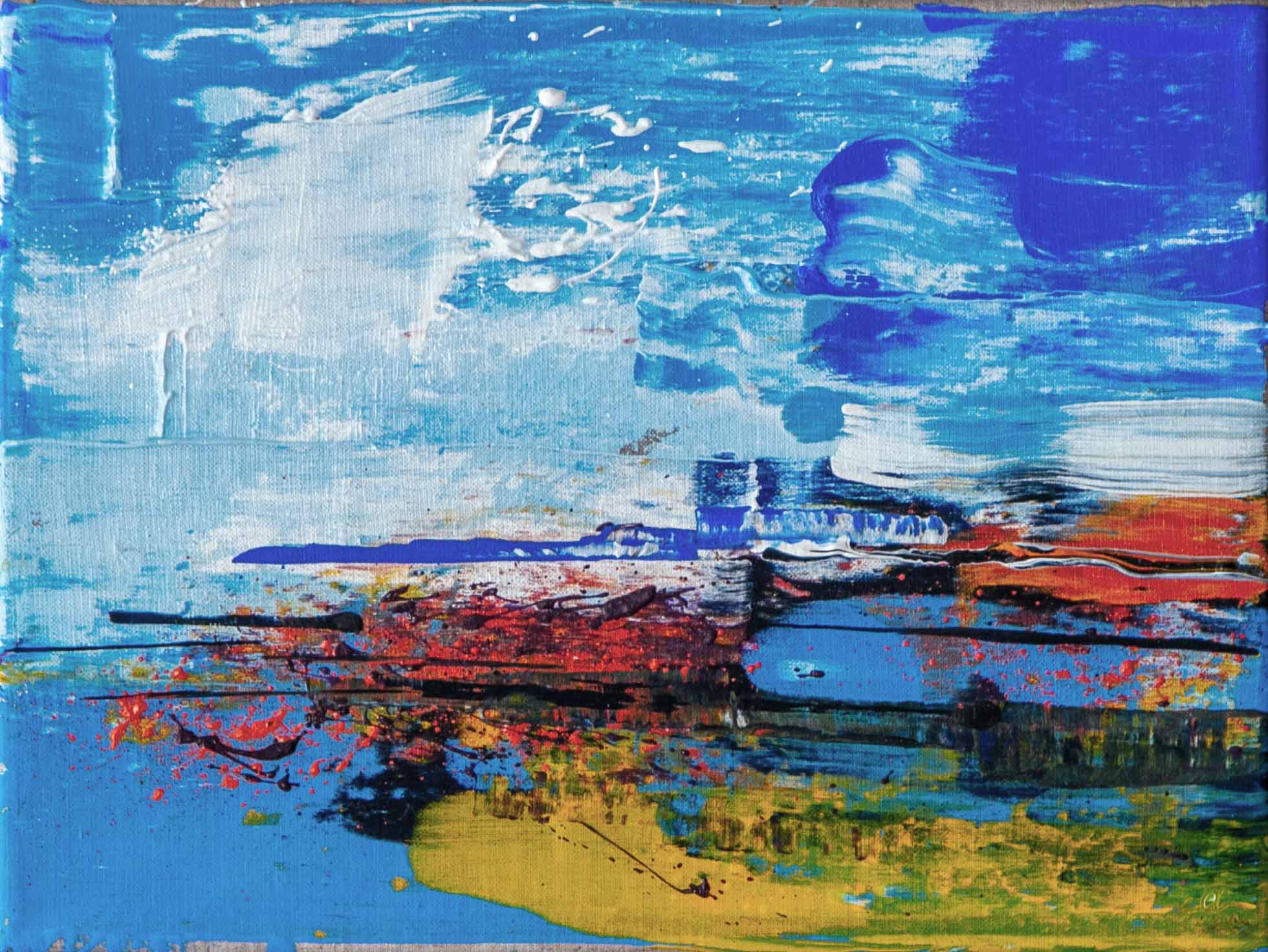
Untitled 1 by Catrin Webster
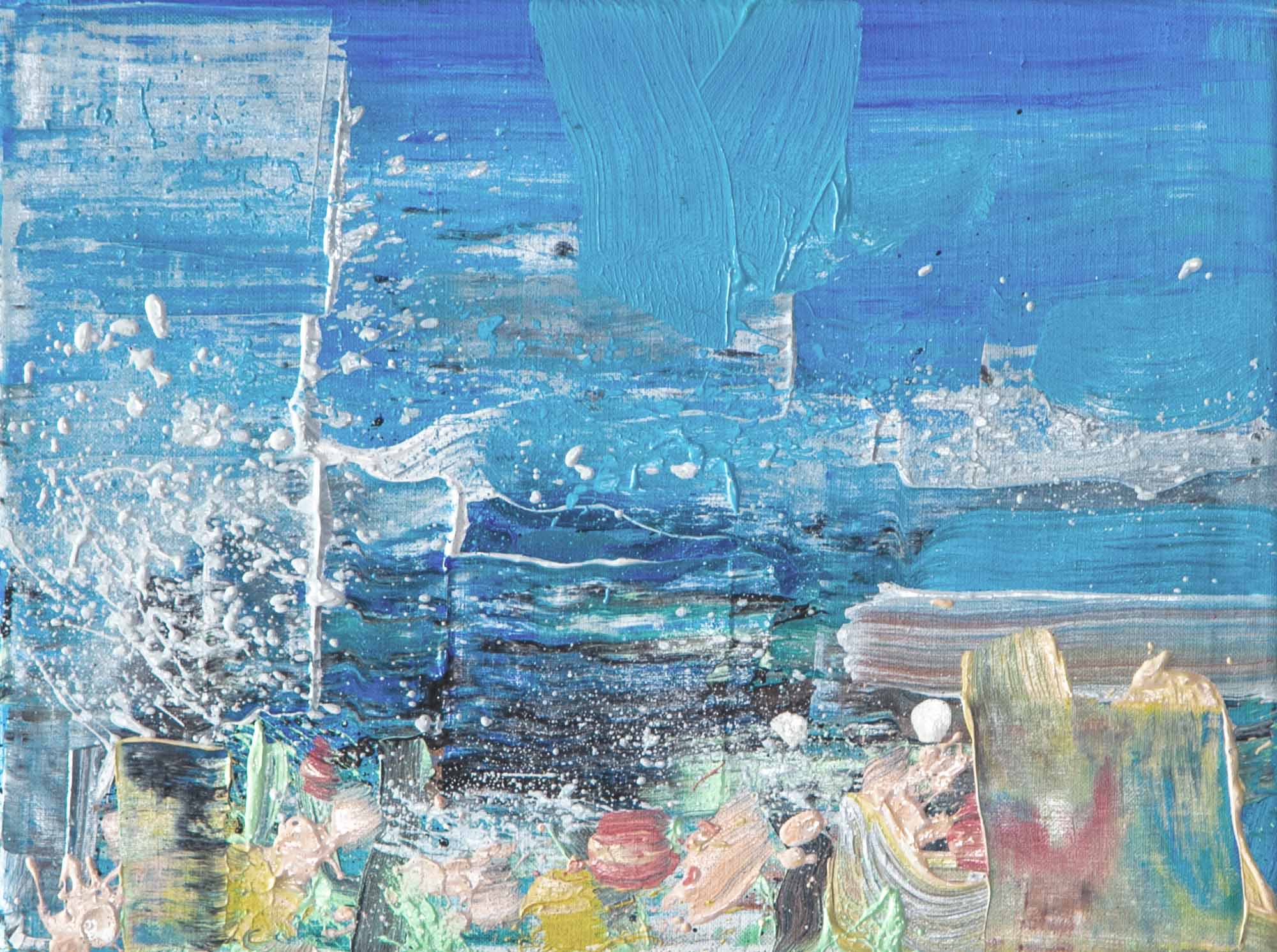
Untitled 2 by Catrin Webster
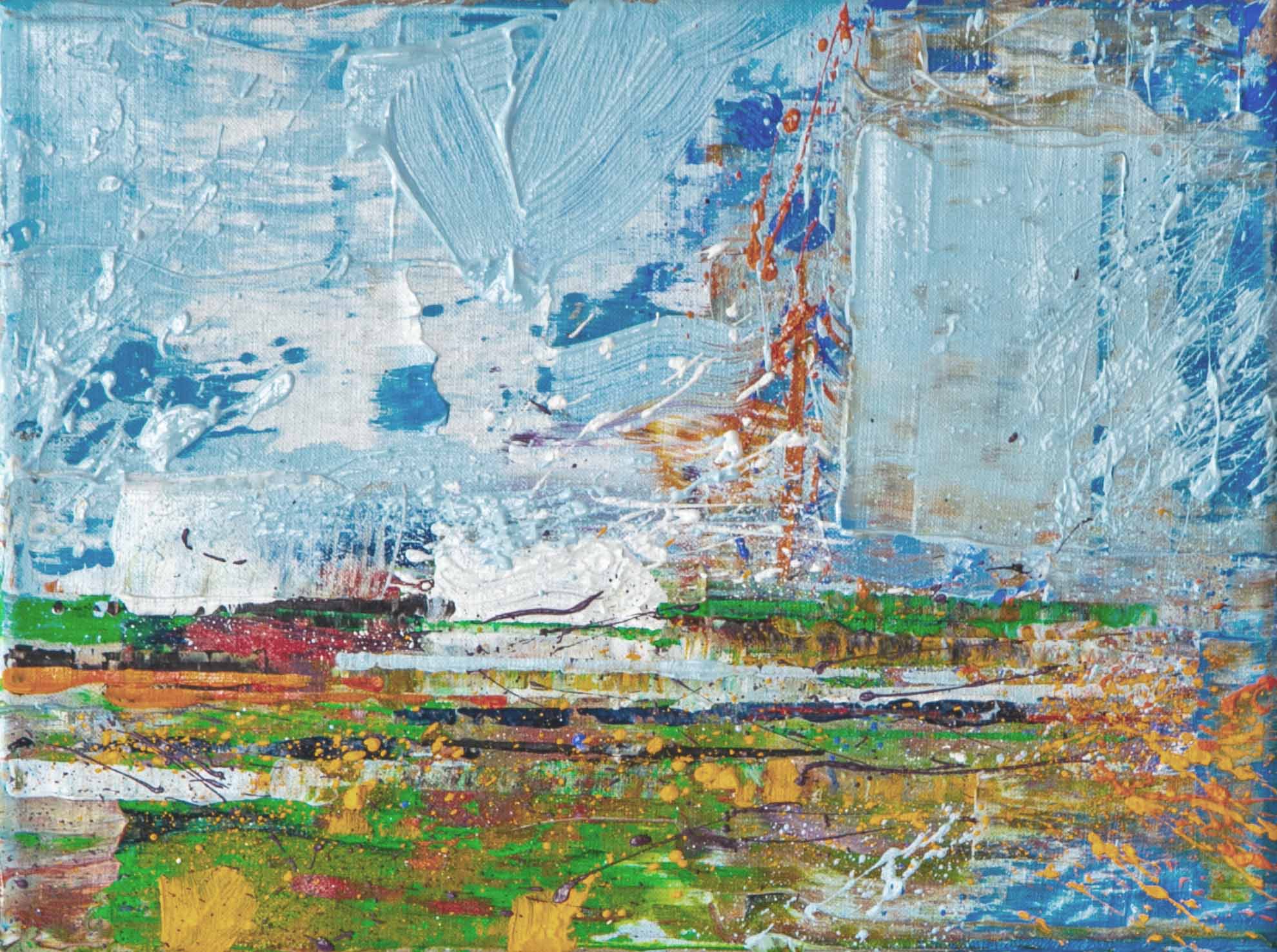
Untitled 3 by Catrin Webster
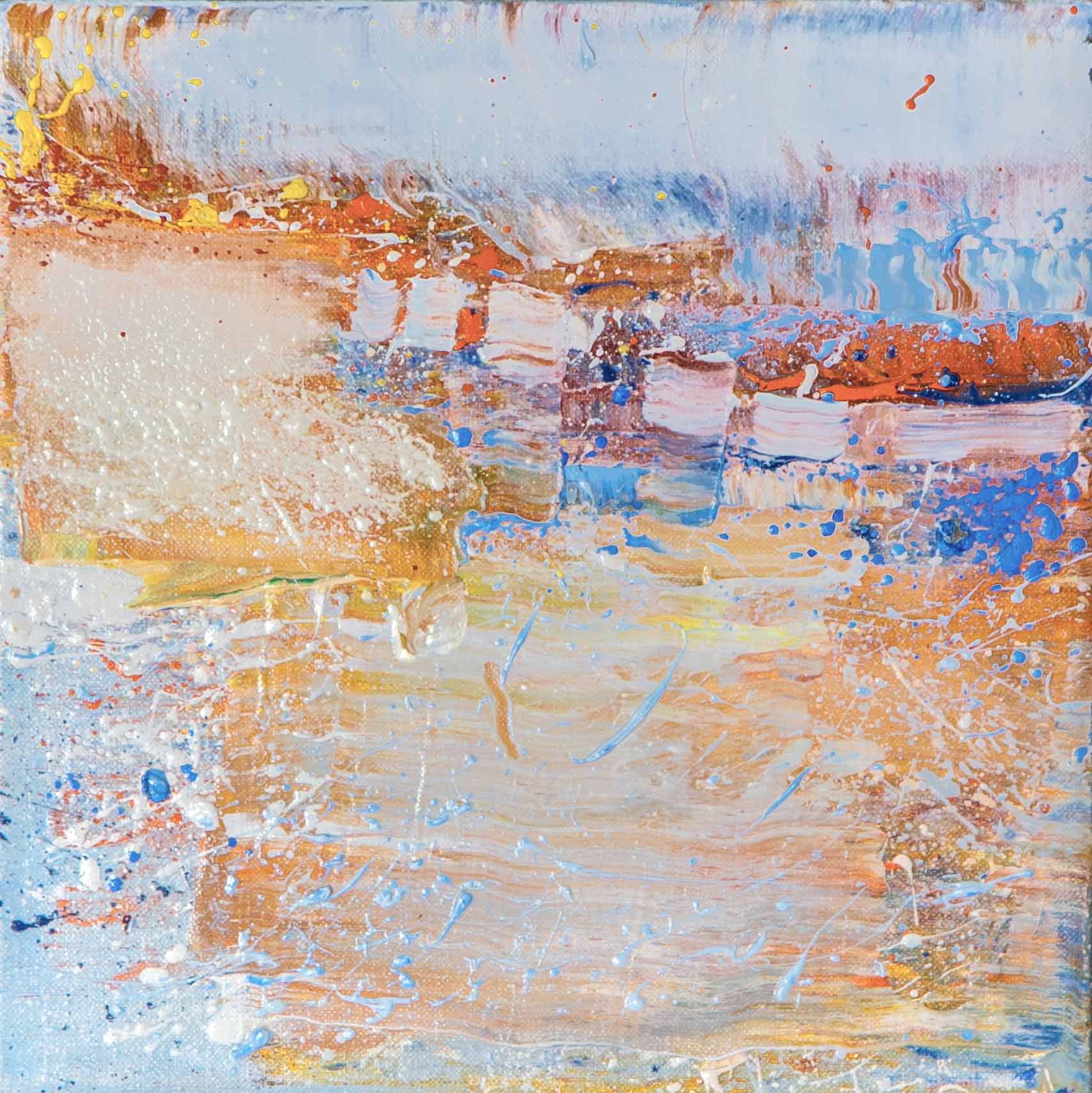
Untitled 4 by Catrin Webster
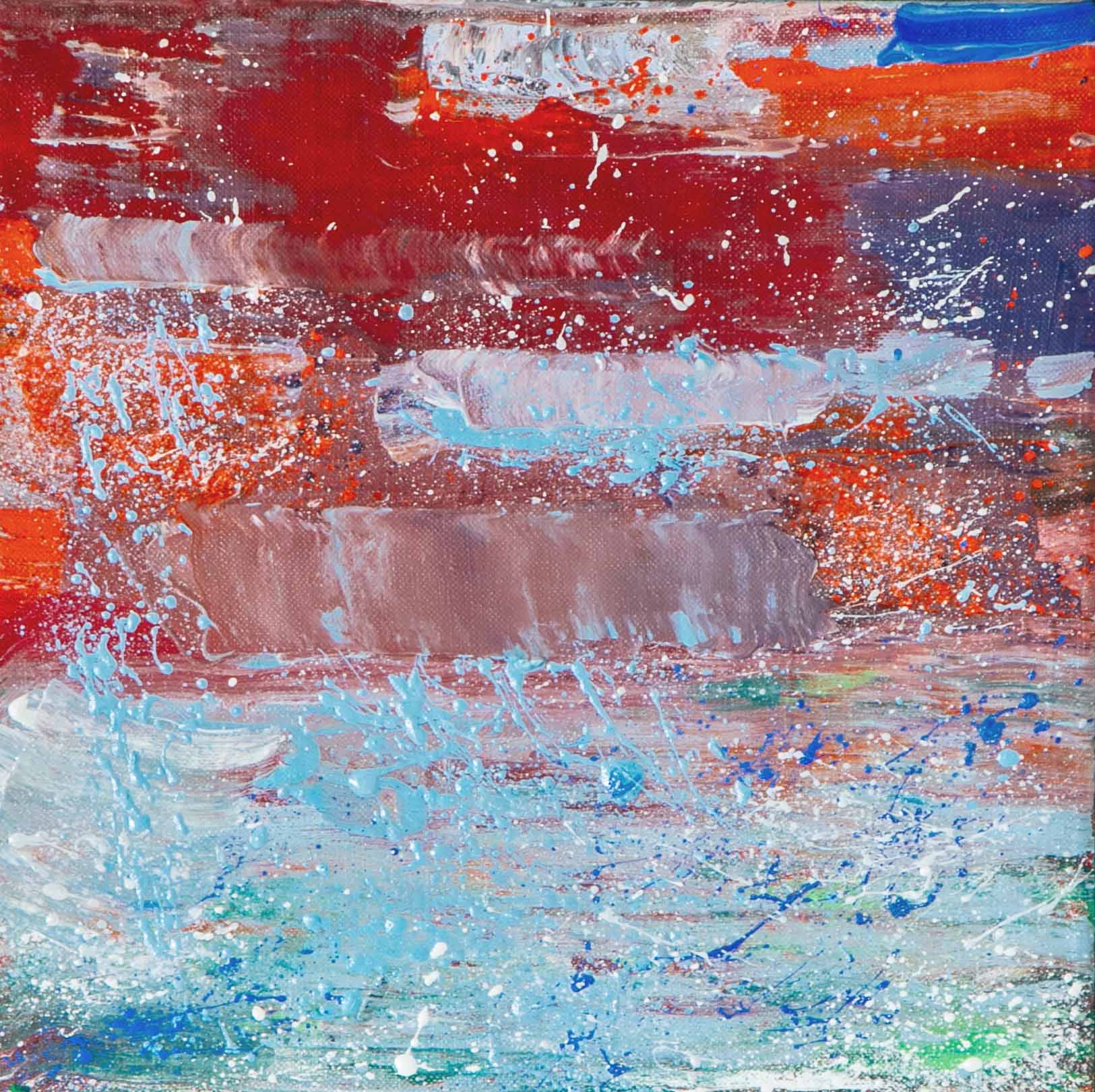
Untitled 5 by Catrin Webster
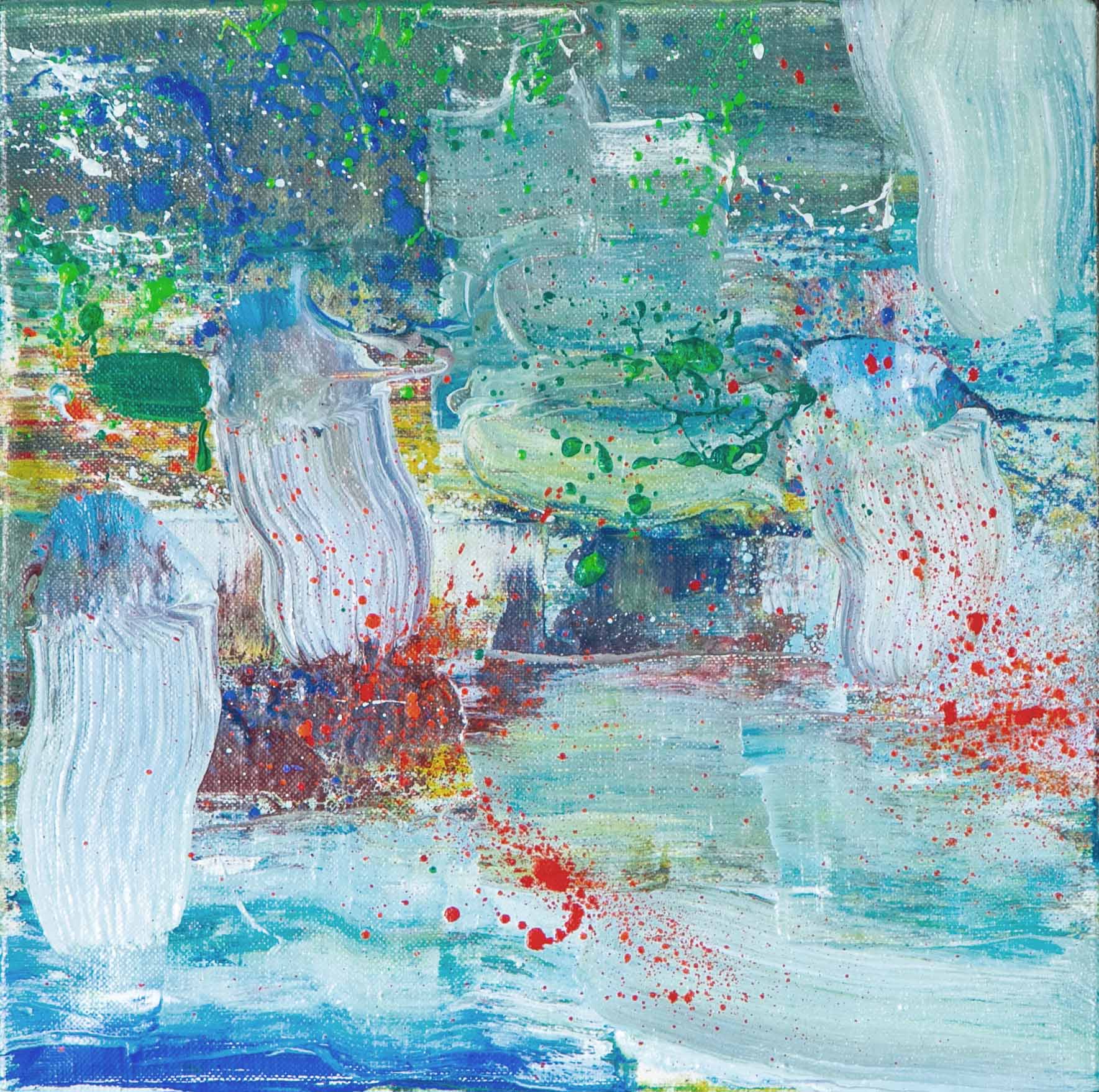
Untitled 6 by Catrin Webster
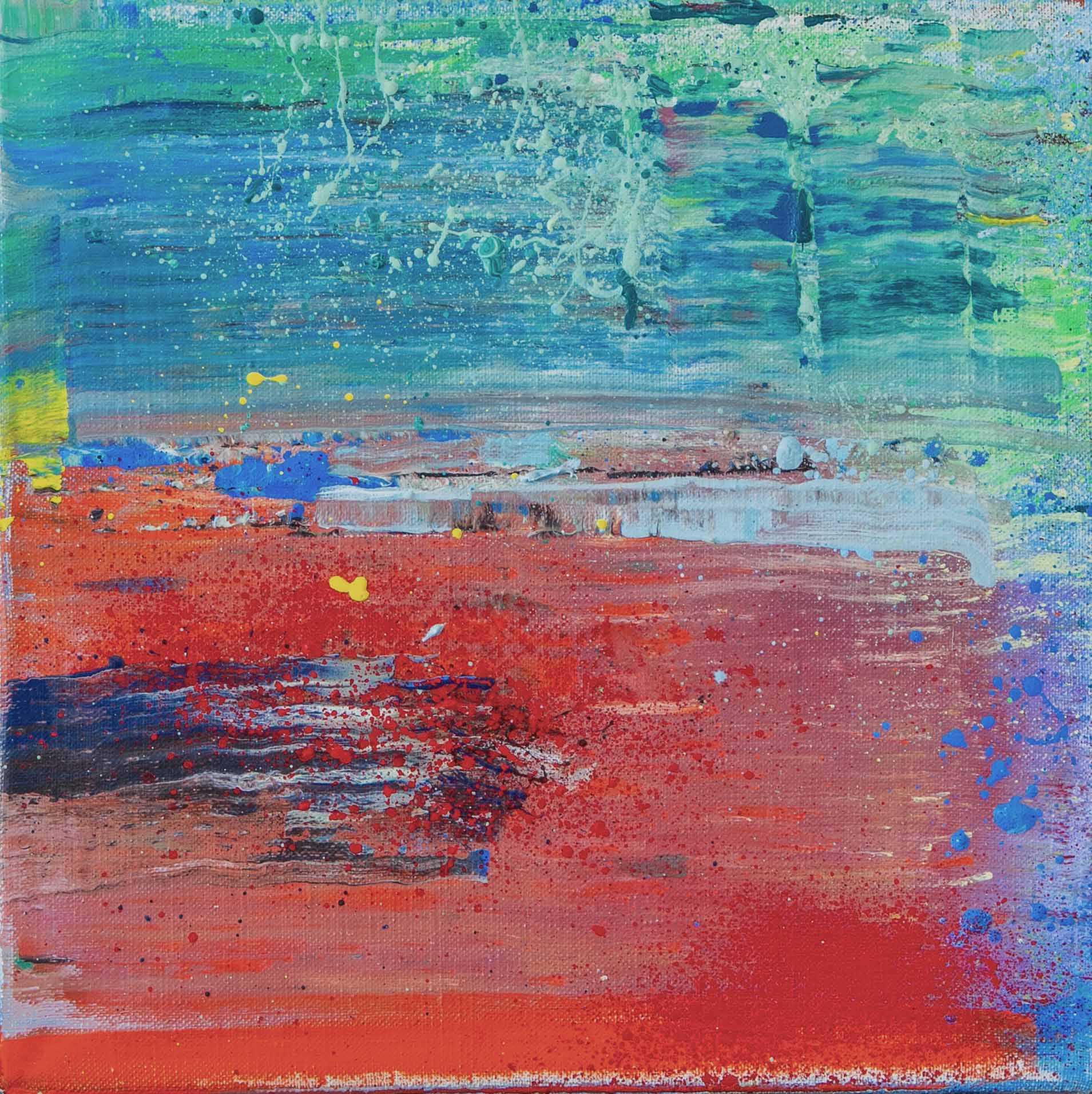
Untitled 7 by Catrin Webster
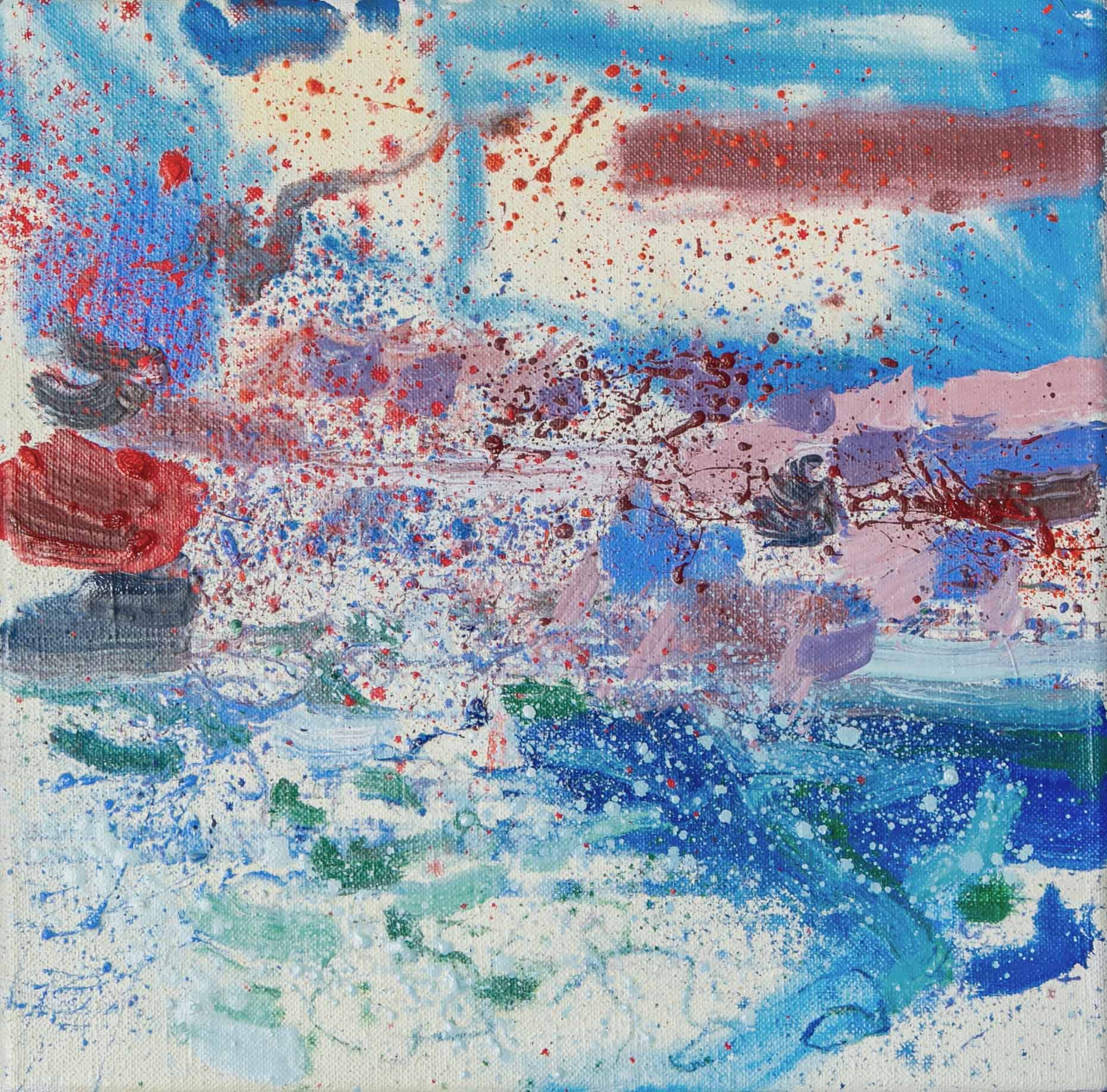
Untitled 8 by Catrin Webster
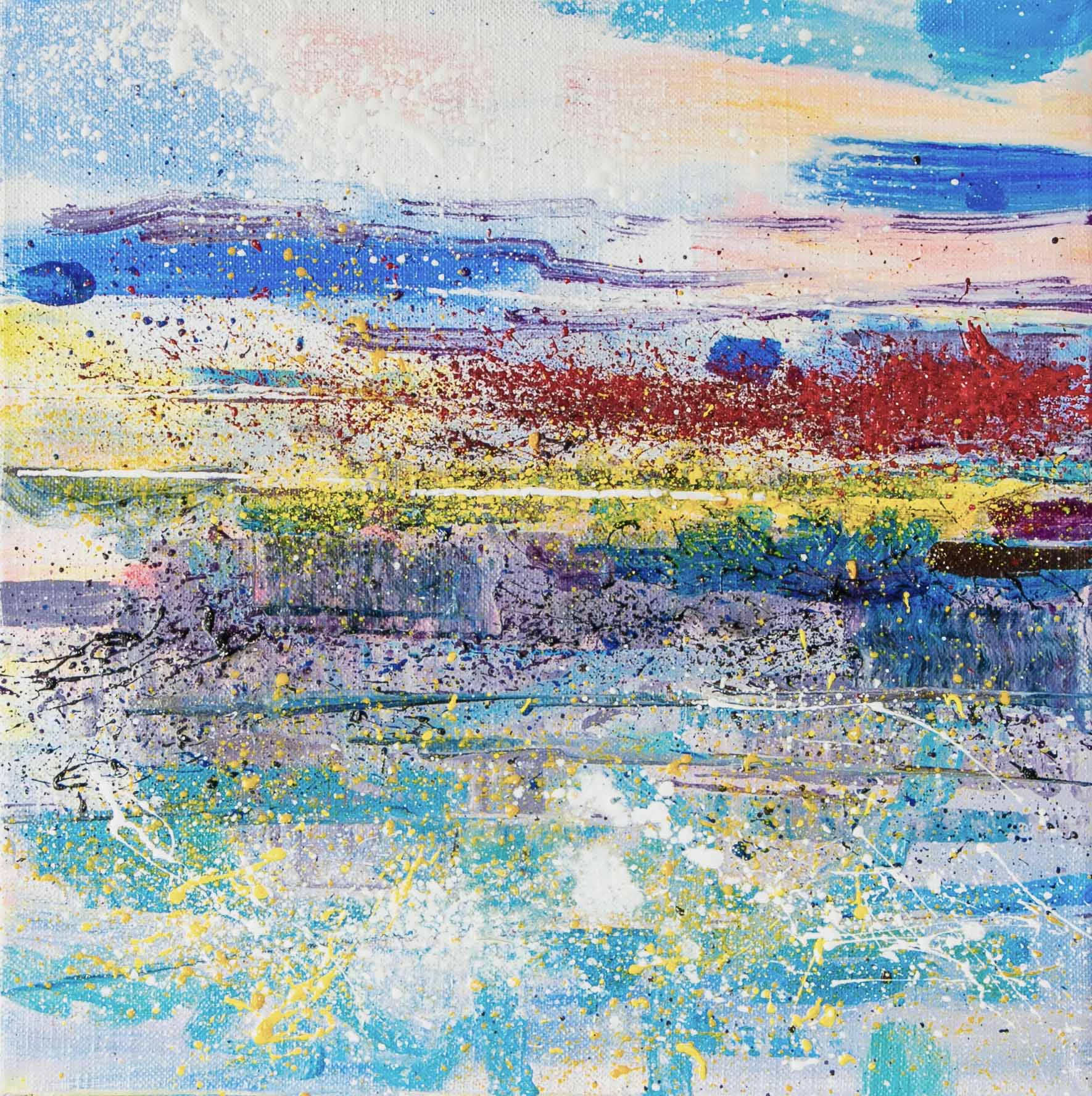
Untitled 9 by Catrin Webster

Dawn Light – Water inspired by Woodland – Pembrokeshire by Catrin Webster

Winter Light, 2, Dusk Inspired by Woodland – Pembrokeshire by Catrin Webster

Winter Light, Dusk Inspired by Woodland – Pembrokeshire by Catrin Webster
Explore the collection
Discover similar artists
All artists • Painters
Michael Azgour
Michael Azgour blends pattern, distortion, and narrative to capture St Davids’ coastal landscapes and human presence.
All artists • Sculptors
Cathy Wood
Cathy Wood, Bath Academy of Art graduate, sculpts stone inspired by nature and the human figure.
All artists • Painters
Zoe Taylor
Zoe Taylor creates award-winning, contemplative landscapes blending field sketches, imagination, and layered, neutral-toned compositions.

All artists • Painters
Xenz
Xenz, a UK street artist, blends graffiti and impressionism, creating nature-inspired murals worldwide.