


The History of Penrhiw
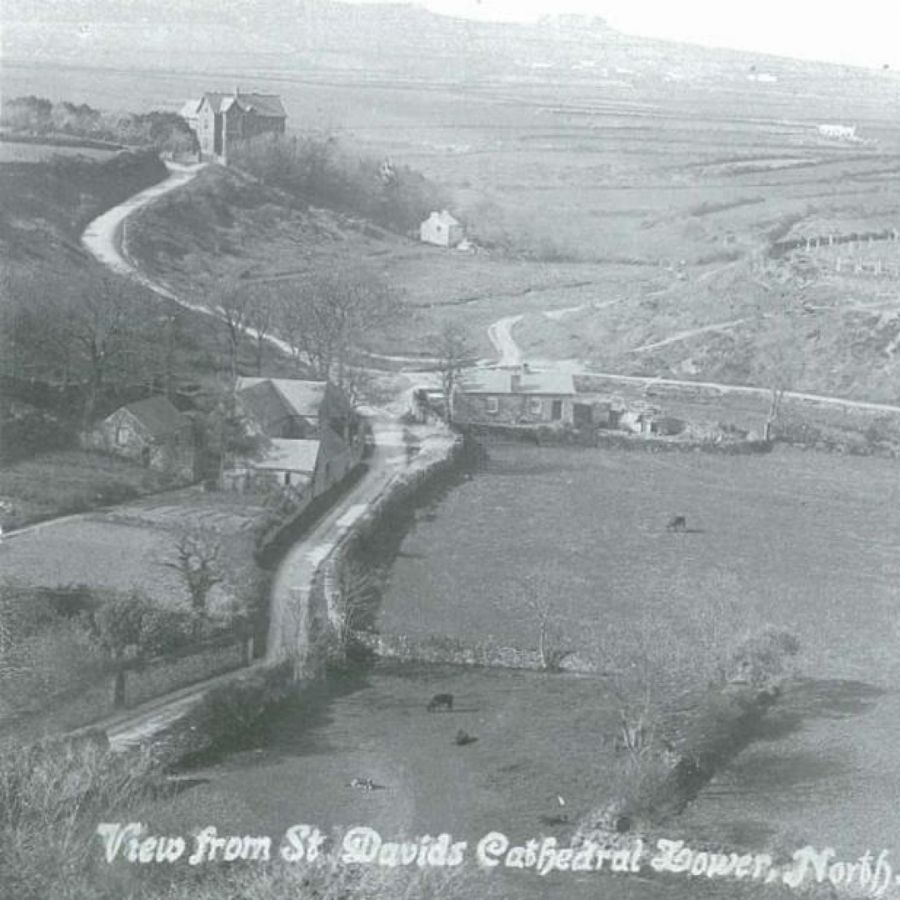
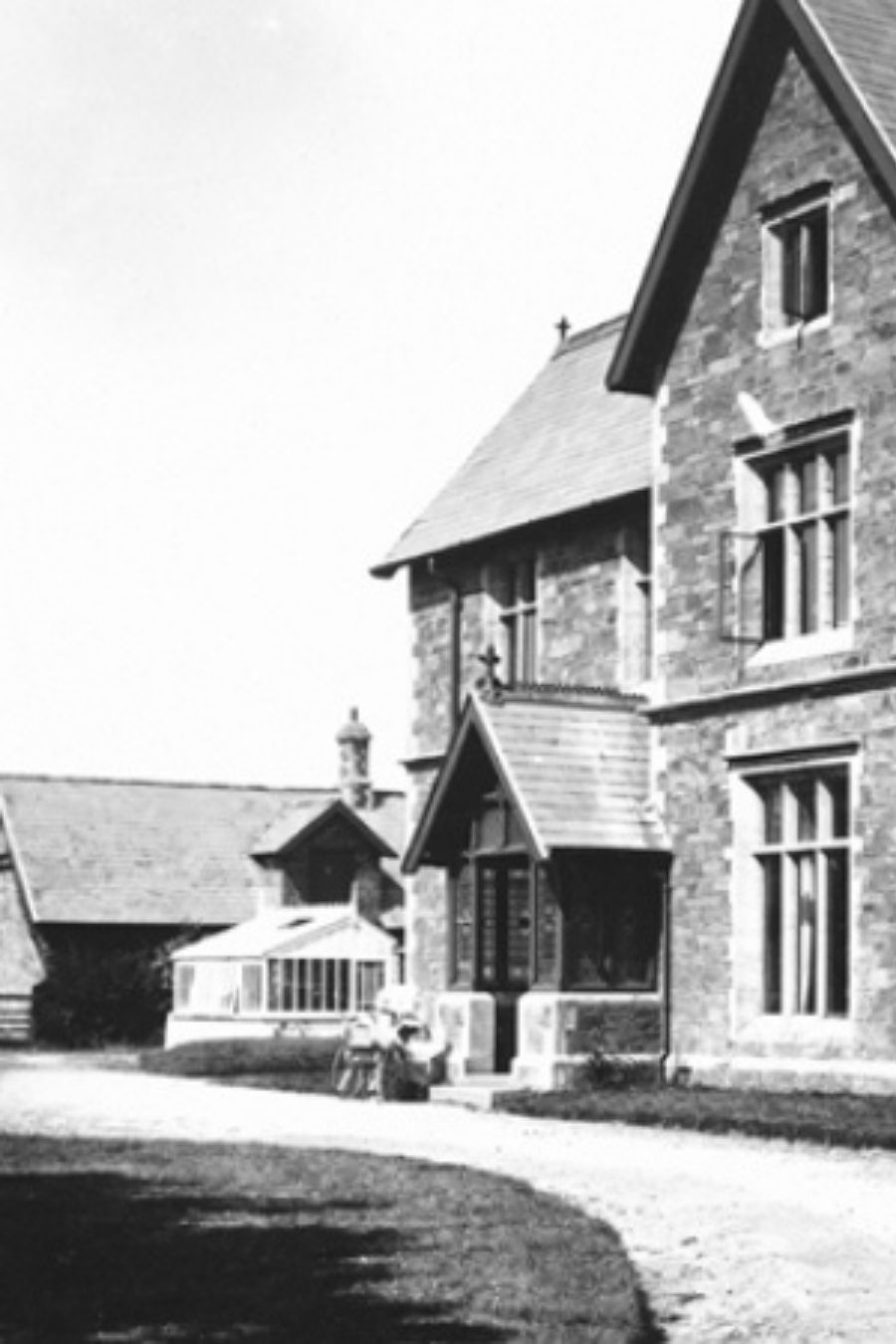
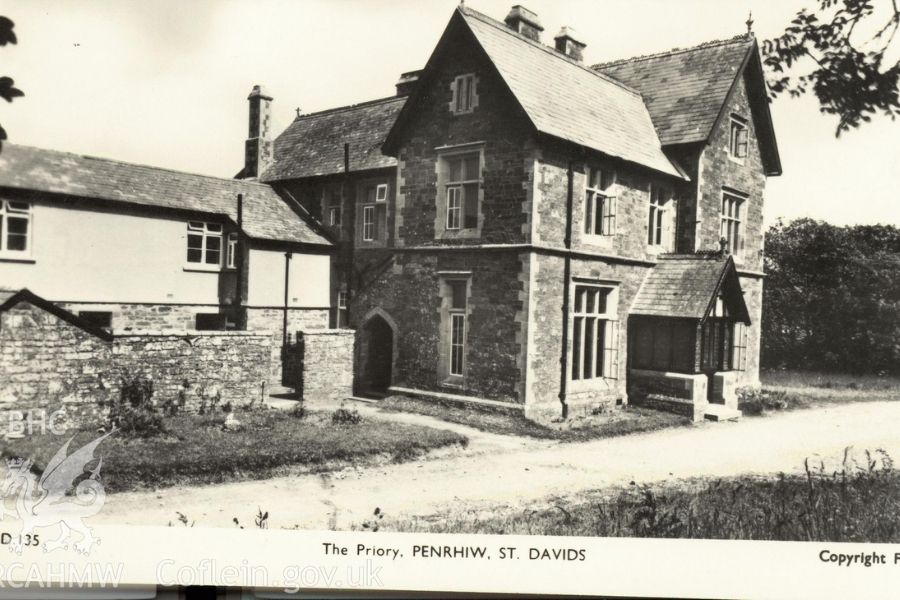
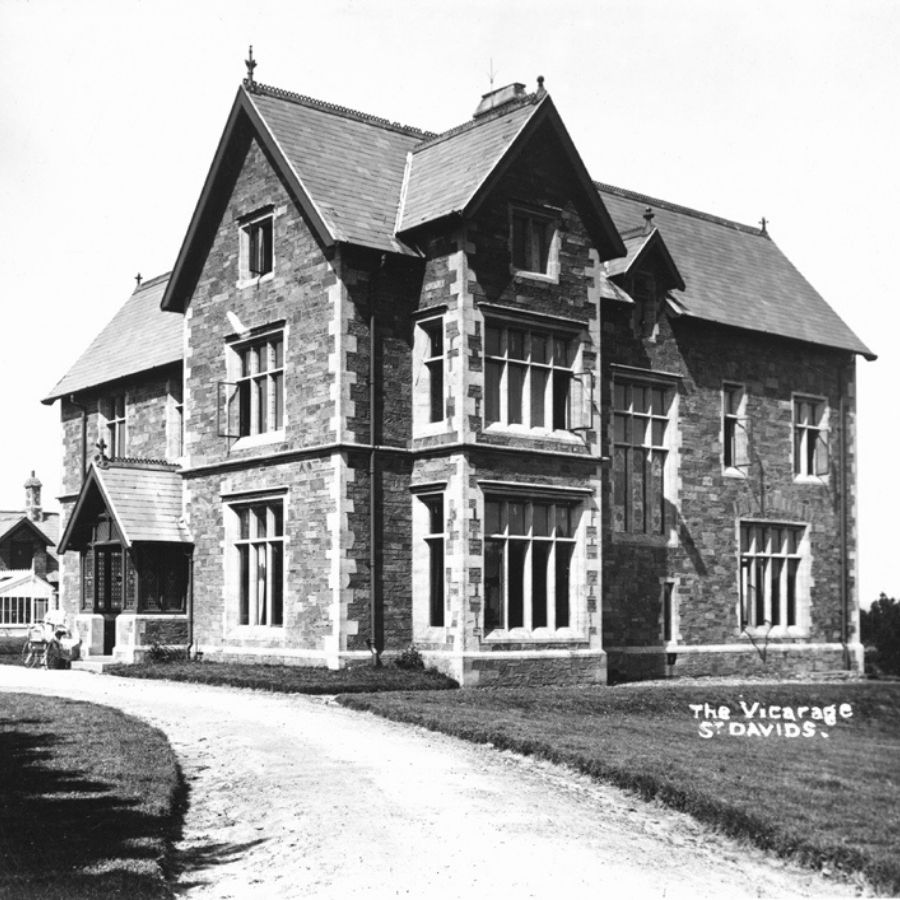
Penrhiw Priory was originally built in 1884 by the Church in Wales as a Vicarage. It was built on the site of a large longhouse farm building. The design was carried out by John Middleton and Son of Cheltenham.
Penrhiw is a fine example of high Victorian architecture, built in Tudorbethan style with squared Caerbwdi rubble stone, limestone ashlar dressings, steep slate roofs with bargeboards, terracotta ridge tiles and tall stone stacks. The interior woodwork is pitch pine, with deep skirting boards. Large panelled doors, panelled window reveals and a lovely staircase. There are also two fine fireplaces with decorative tiles by William De Morgan, the celebrated Arts and Crafts ceramics maker.
During the 20th Century, Penrhiw ceased to be a vicarage and was put to other uses. The local Doctor lived there, and then Colonel and Mrs Weir ran it as a guest house for many years. During their tenure, Anthony Eden [later Prime Minister of the UK] stayed at Penrhiw many times.
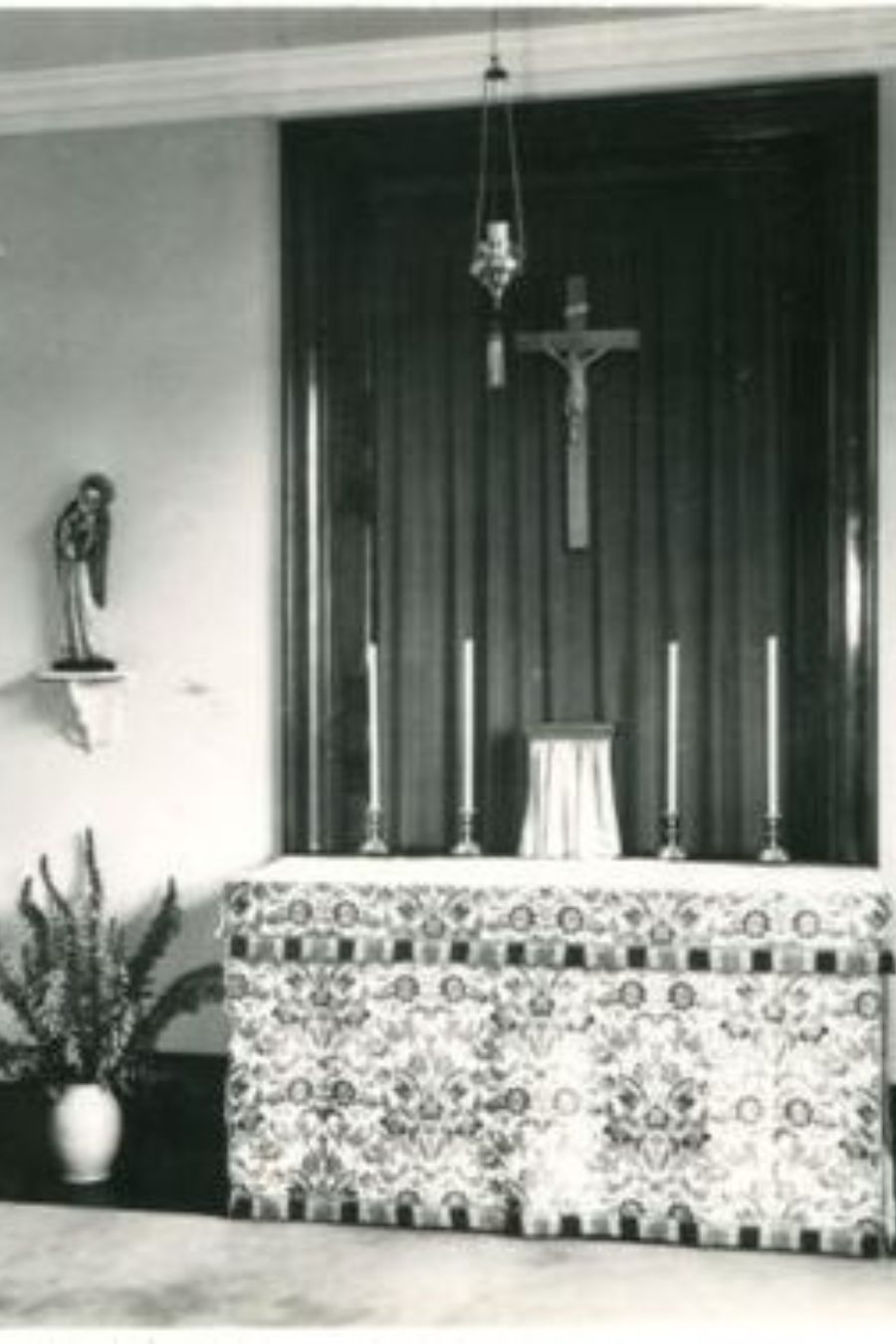
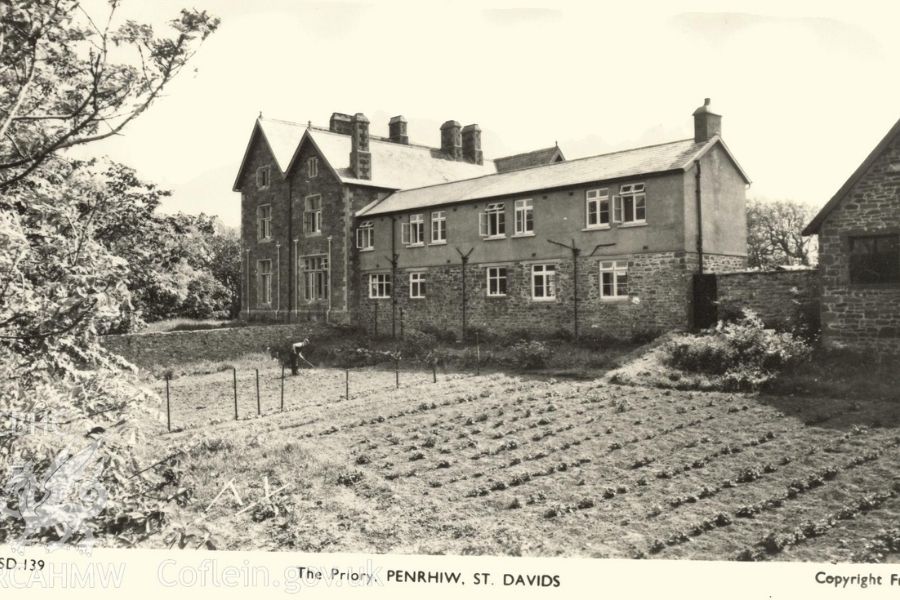
In the 1960’s, the property became a Priory for the Community of St John the Evangelist and was extended to include 20 bedrooms, three reception rooms, and a chapel. In 1985, the nuns left the Priory, and it was sold by the Church in Wales in 1988 to Steve and Lis Cousens, who ran it until 2000 as a centre for groups, hosting up to 30 people at a time. Tim Sime ran it as a Retreat for four years, and then it was sold to Adam Hill and Rachael Knott in 2004. Penrhiw was acquired by the Griffiths Roch Foundation in 2009.
A restoration contract was awarded to Carreg Construction in July 2009 under the design and supervision of Architects Acanthus Holden.
Penrhiw reopened as a luxury eight-bedroom Guest Accommodation in 2012. Garden Bedroom is the bedroom of the vicar who was placed here by the Church in Wales in 1882 to stem the migration to non-conformist chapels. The stables housed his horses and carriage, enabling him to reach the parishioners and entice them back to the church. The Coach House now houses the Meadow Suite on the ground floor and the Court, above, on the first floor.